You ask for feedback from your Thai team, they smile, nod, say yes. And then nothing.
You’ve tried being direct. You’ve tried being friendly. You’ve held team meetings, one-on-ones. The barrier remains. You know your team has more to offer, but you can’t unlock it.
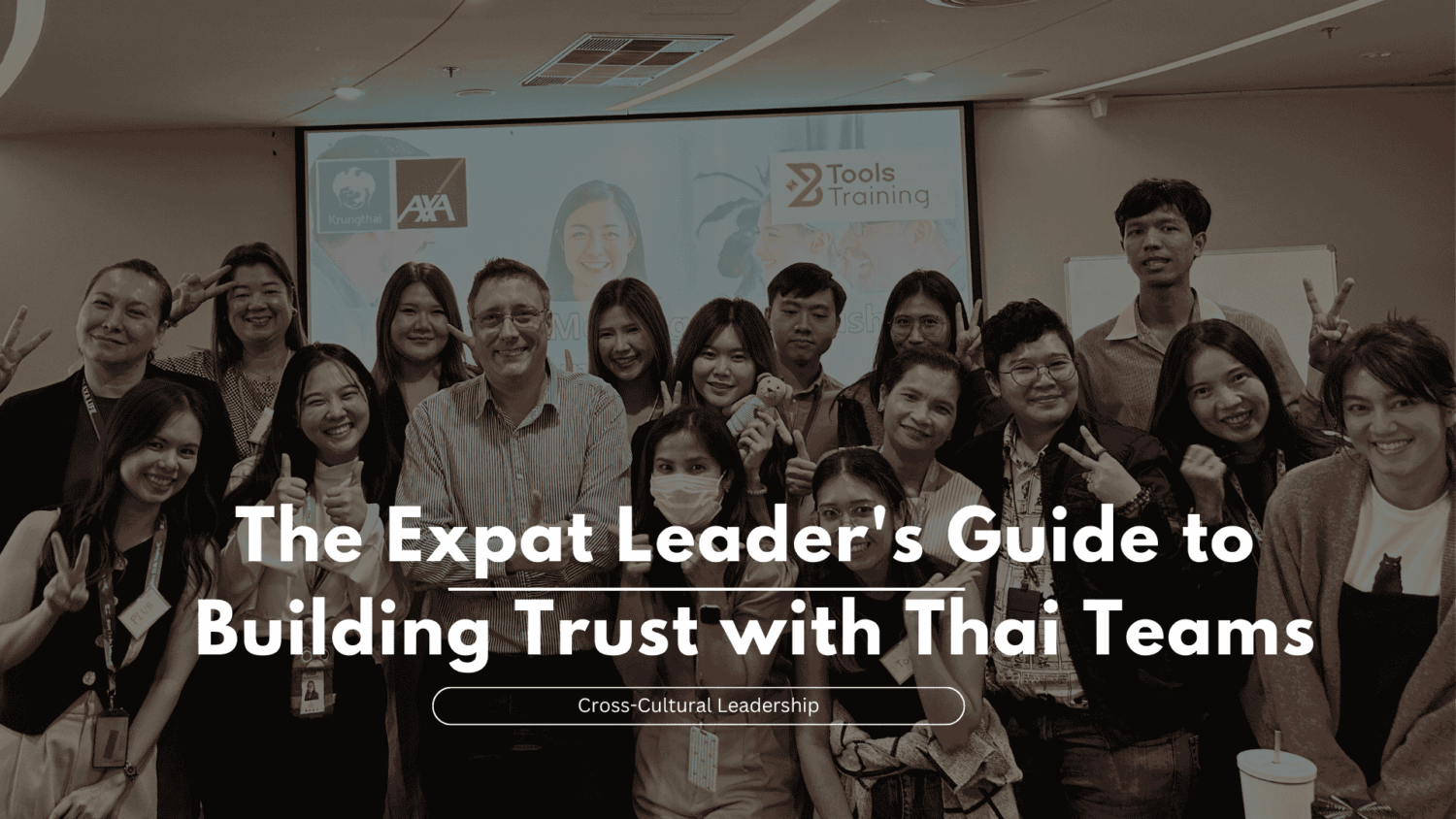
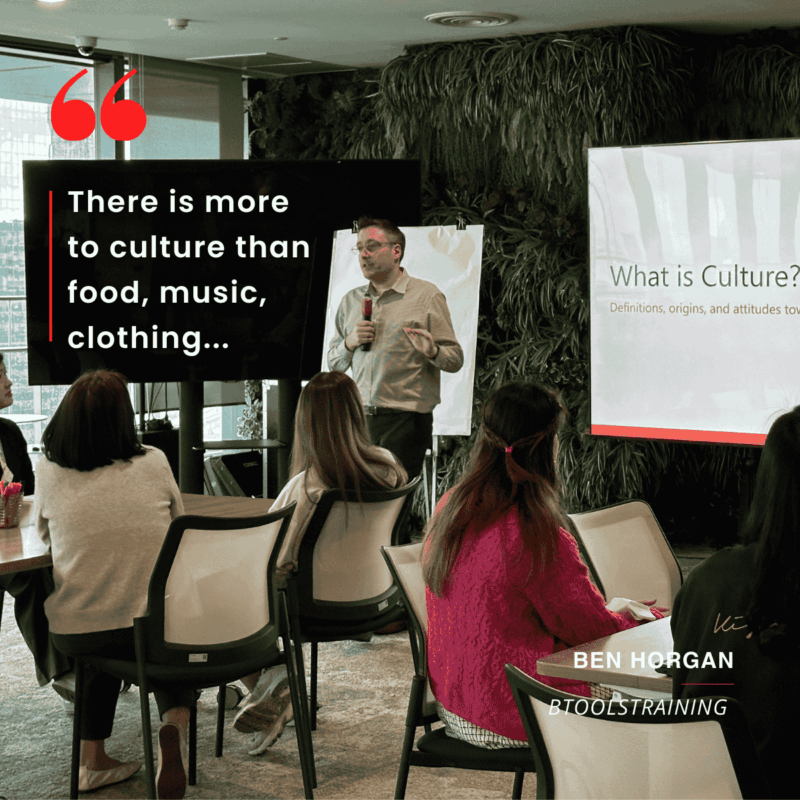
We spoke with Ben Horgan, someone who has spent 25 years in Thailand, working inside expat-led companies and standing right in the middle of one of the toughest leadership challenges: bridging the gap between expat leaders and Thai teams.
Ben speaks Thai, he’s navigated cultural misunderstandings, and he’s helped leaders avoid the kind of mistakes that quietly damage trust, motivation, and performance.
He isn’t an academic. He’s lived this.
3 common mistakes expat leaders make that kill trust with Thai teams
1. Asking People to Wear Multiple Hats
A language training company called in Ben to set up a corporate training department. As the organisation was still in its early phase of growth, the expat leader made the typical mistake of shifting people’s roles. Asking them to cross-function. Some might look at it as opportunities, however Ben soon learnt the Thais perceived this style of leadership as incompetent, lacking credibility and devoid of trust.
A similar thing happened when a tutoring company called in Ben to support them through their scale-up process. Ben was managing a group of highly qualified and well-trained Thai tutors. What became apparent was a huge lack of interest among the staff to cross-function or to up-skill to be able to work outside their scope of responsibilities.
Although this is changing with the younger population, Thais are generally considered risk-averse. They often need time, lots of support and ‘enough’ experience before venturing beyond their areas of expertise.
2. Using Your Home Country (culture) as the Benchmark
Girish learned this one personally. Coming from Mumbai, where everyone’s constantly pushing forward, fighting their battles, reaching for goals with everything they’ve got, he expected the same intensity in Thailand. When he didn’t see it, he got frustrated.
He was measuring Thai work culture against Mumbai’s hustle culture. That’s like judging a fish by its ability to climb a tree.
Ben noticed this pattern repeatedly: expat leaders arrive with their mental framework intact—American urgency, German precision, Japanese intensity—and expect Thai teams to suddenly adopt it. When they don’t, leaders label them as “unmotivated” or “lacking ambition.“
But here’s what we miss, Thais are playing a different game entirely. The mistake isn’t that they lack drive. It’s that we’re using the wrong measuring stick.
3. General vs. Commander leadership styles
Some leaders come into Thailand with a mindset of a General; thinking they can come in and tell people
“Alright. I’m gonna make some changes here.”
You’re more likely to get indifference in return. Thai teams respond to demonstrated competence, not declared authority.
Instead, “lead by the hand and help people”. This means working alongside them initially, showing you understand their reality before suggesting improvements. Show them what success looks like through your own actions first. Meet them where they are, don’t ask them to come to you.
According to Larry Persons, research in ‘The Way Thais Lead’, respected leaders build what Thais call “warm relationships” through:
-
บุญคุณ (Debt of kindness): Doing something kind with no strings attached.
-
ศักดิ์ศรี (Inner honor): That comes from within, not from position or title
-
ชื่อเสียง (Public acclaim): Earned through consistent competent actions
-
Time and patience: Understanding that real trust-building takes months
How to actually get honest feedback in a “saving face” culture.
Understand the Context
In western cultures, there’s often a strong boundary between professional and personal life, which can be relatively thin in Asian cultures. As Ben said, “here work and life is intertwined“, which makes feedback a highly sensitive skill. Also, please know, it’s difficult for Asians to be critical of their bosses.
Build a Feedback Culture
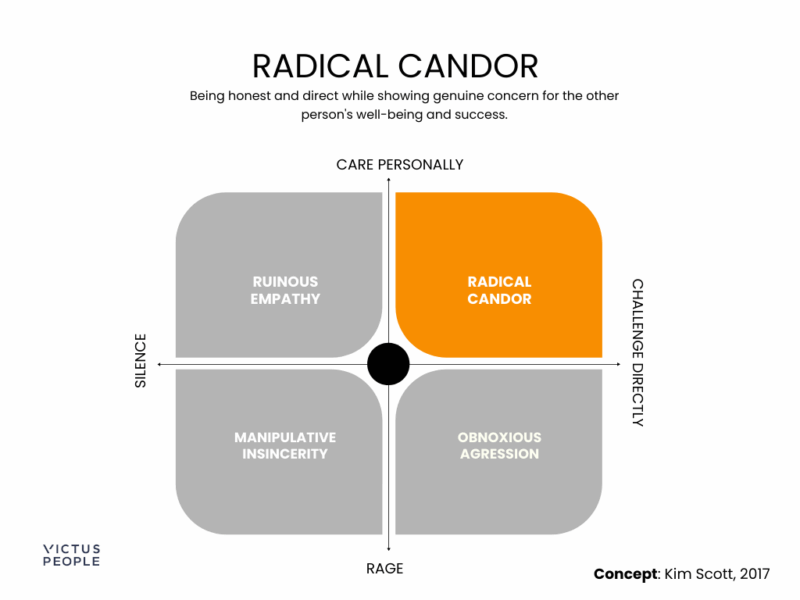
Ben recommends leaders embrace radical candour; where empathy meets care. In Thai culture, you can’t separate feedback from relationship. Trust must come first, or your feedback lands as criticism.
Here’s a few suggestions to build a culture where feedback flows naturally:
-
Let them know at the beginning that you welcome feedback and you genuinely want to know when things are going wrong and how you can help.
-
As a leader, you can encourage constructive feedback on your work by highlighting what you think didn’t go well, “I don’t think [specific area] went well. What do you think?”
-
Give them a structure or template for giving and receiving feedback. And show them how it is done. Once they get used to it, there can be more flexibility and autonomy.
Read Between the Lines
Another uniquely Southeast Asian approach to feedback that many expat leaders miss, and is something that Erin Meyer also discovered in her research across Southeast Asia.
When giving critical feedback, Thais often only mention what’s working well, deliberately omitting problem areas. This isn’t avoidance, it’s communication. The parts they don’t praise are the parts that might need work. It’s a subtle but effective way to deliver tough messages while maintaining face and harmony.
Understanding this can transform how you interpret feedback from your Thai team.
Sometimes what’s not said is more important than what is.
Ben’s successful journey in Thailand can be attributed to his curiosity and cultural intelligence. What might be overlooked is Ben’s ability to speak Thai. It has given him a much deeper understanding of Thai culture.
Something he mentioned at the end underlines this. One of his Thai co-workers told him,
We stopped seeing you as ‘farang‘ a long time ago.
They saw him as one of them. In a culture built on relationships and trust, that might be the highest compliment an expat leader can receive.
𝘈𝘵 Victus People, 𝘸𝘦 𝘴𝘶𝘱𝘱𝘰𝘳𝘵 𝘭𝘦𝘢𝘥𝘦𝘳𝘴 𝘣𝘶𝘪𝘭𝘥 𝘢𝘶𝘵𝘩𝘦𝘯𝘵𝘪𝘤 𝘳𝘦𝘭𝘢𝘵𝘪𝘰𝘯𝘴𝘩𝘪𝘱𝘴 𝘸𝘪𝘵𝘩 𝘵𝘩𝘦𝘮𝘴𝘦𝘭𝘷𝘦𝘴 𝘢𝘯𝘥 𝘵𝘩𝘦𝘪𝘳 𝘵𝘦𝘢𝘮𝘴 𝘵𝘰 𝘢𝘤𝘩𝘪𝘦𝘷𝘦 𝘦𝘹𝘵𝘳𝘢𝘰𝘳𝘥𝘪𝘯𝘢𝘳𝘺 𝘰𝘶𝘵𝘤𝘰𝘮𝘦𝘴.
𝘍𝘰𝘭𝘭𝘰𝘸 𝘧𝘰𝘳 𝘱𝘳𝘰𝘷𝘦𝘯 𝘴𝘵𝘳𝘢𝘵𝘦𝘨𝘪𝘦𝘴 𝘰𝘯 𝘩𝘪𝘨𝘩-𝘱𝘦𝘳𝘧𝘰𝘳𝘮𝘪𝘯𝘨 𝘵𝘦𝘢𝘮𝘴, 𝘤𝘳𝘰𝘴𝘴-𝘤𝘶𝘭𝘵𝘶𝘳𝘢𝘭 𝘪𝘯𝘵𝘦𝘭𝘭𝘪𝘨𝘦𝘯𝘤𝘦, 𝘢𝘯𝘥 𝘴𝘦𝘭𝘧-𝘢𝘸𝘢𝘳𝘦𝘯𝘦𝘴𝘴 𝘵𝘩𝘢𝘵 𝘢𝘤𝘵𝘶𝘢𝘭𝘭𝘺 𝘸𝘰𝘳𝘬.