



(Inspired by Coaching for Performance by Sir John Whitmore)
“I’ve already told them what to do… but they still don’t take ownership.”
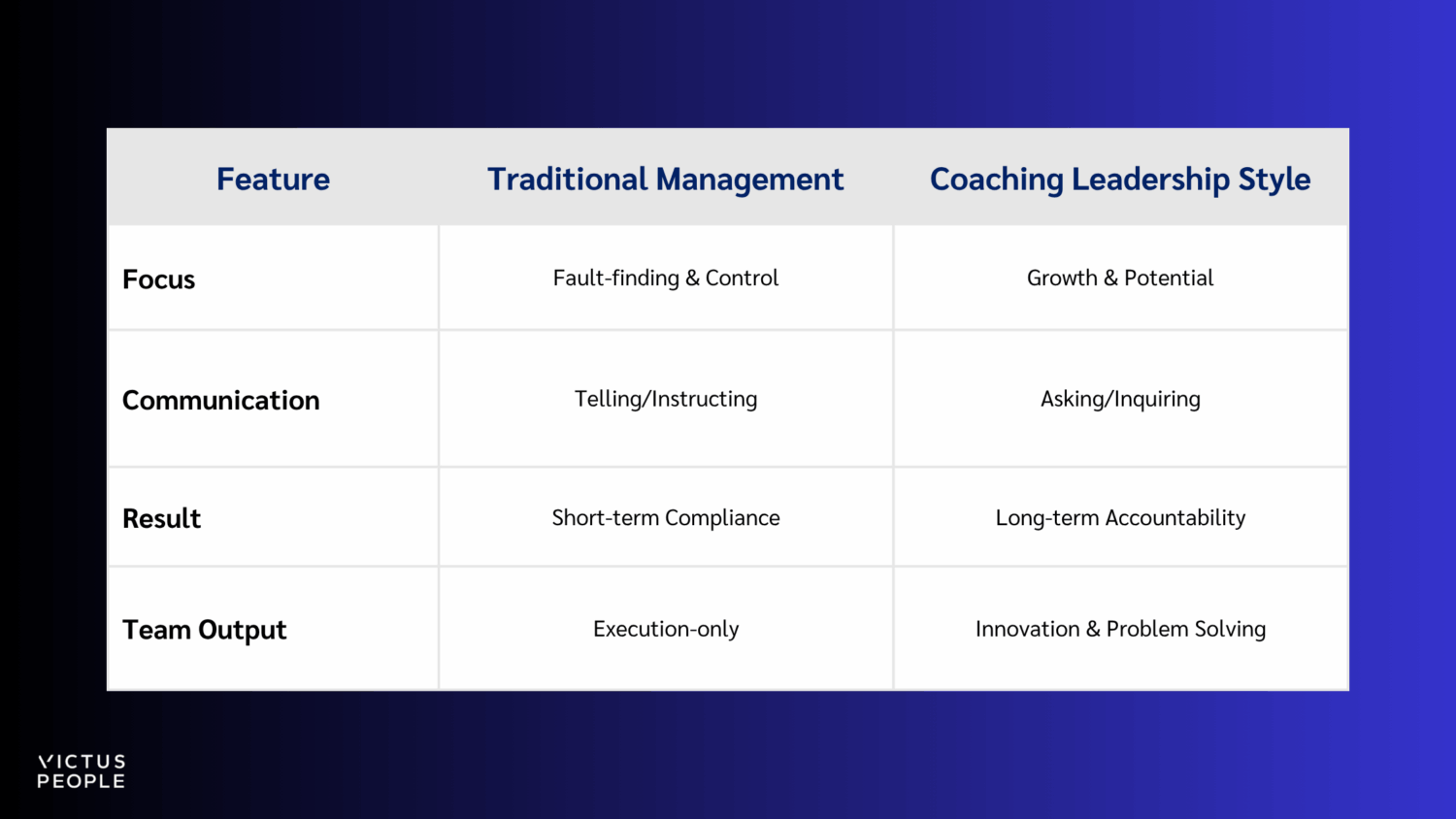
A senior leader shared this with me recently. On paper, everything looked right: clear instructions, a strong hierarchy, and defined roles. But the team was stagnant. They followed orders but didn’t think critically; they complied but didn’t contribute.
If this sounds familiar, it’s time to ask an uncomfortable question: What if the problem isn’t staff capability, but the business leadership coaching style being used?
In many Thai organizations, respect, harmony (Kreng Jai), and hierarchy shape the culture. However, in today’s fast-moving market, command-and-control is no longer enough. To stay competitive, leaders must master coaching strategies for leaders that bridge the gap between traditional respect and modern proactivity.
And here’s the uncomfortable question:
“What if the problem isn’t capability… but the way we lead?”
In many Thai organizations, respect, harmony, and hierarchy shape how people show up. But in today’s fast-moving business world, command-and-control leadership is no longer enough.
This is where leadership coaching style becomes not just useful but essential. Sir John Whitmore, in Coaching for Performance, said it simply: Performance is unlocked not by telling people what to do, but by helping them think for themselves.
Master Core Leadership Coaching Skills
Before any strategy works, one thing must change first:
- How you listen.
- Most leaders listen to respond. Great coaches listen to understand.
Sir John Whitmore emphasized that awareness is the foundation of performance. And awareness doesn’t come from instructions; it comes from reflection.
2 Core leadership coaching skills matter most:
1. Active Listening
Not just hearing words but noticing pauses, hesitations, energy.
Ask yourself:
- What is this person not saying?
- Where are they holding back?
2. Empathetic Inquiry
Instead of telling, you ask the following:
- “What’s your perspective on this?”
- “What feels challenging here?”
Because people don’t grow from advice, they grow from insight. This shift is the hallmark of the best leadership coaching.
5 Essential Coaching Strategies for Leaders in Thailand
Let’s bring this to life. In Coaching for Performance, Whitmore shares examples of leaders who transformed performance by asking better questions. Here is how you can apply these leadership coaching strategies in your daily operations:
Strategy 1: Use the GROW Model to Shift Ownership
The GROW model is a cornerstone of most leadership coaching courses. Instead of saying, “Here’s what you should do,” try guiding the team member through:
- Goal
- Reality
- Options
- Will
Instead of saying, “Here’s what you should do.”
Try this:
A manager once worked with an underperforming team member. Instead of correcting him, she asked:
- “What outcome do you want here?” (Goal)
- “What’s happening right now?” (Reality)
- “What could you try?” (Options)
- “What will you commit to?” (Will)
A set of simple questions that will put the thinking back into your team’s hands. Where in your organization are people waiting… instead of owning both the decision and the result?
Strategy 2: Replace Advice with Awareness
Whitmore emphasized: Awareness + Responsibility = Performance
Timothy Gallwey also created a simple Inner Game Equation:
Performance = Potential – Interference.
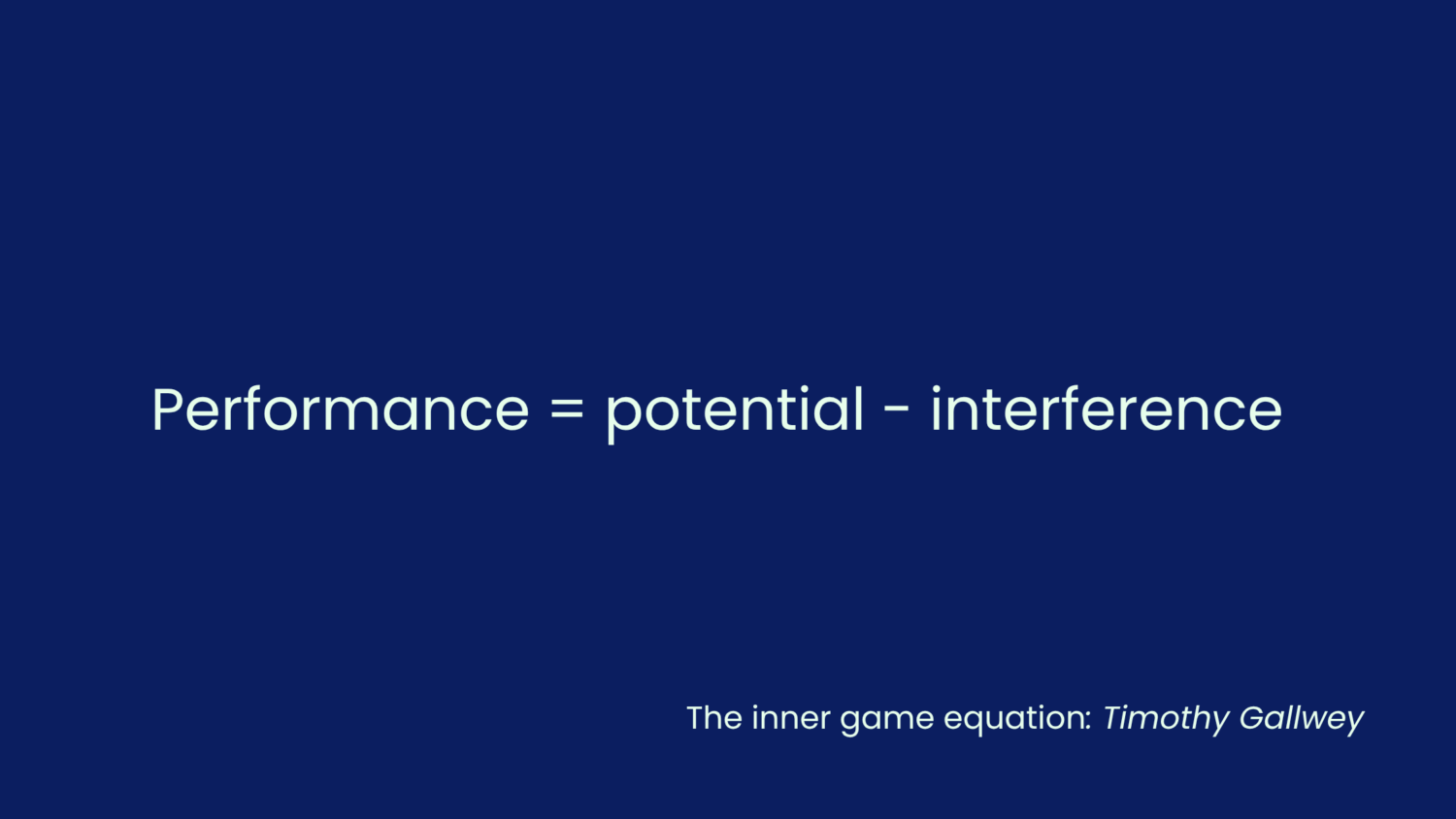
Most problems aren’t usually about capability. It’s the interference, the self-doubt, the fear of judgment, the habit of waiting to be told. The role of a leader is to reduce what’s blocking what’s already there. And sometimes, even just giving advice can be an interference for your team’s growth.
Here’s an example of helping your team member create awareness about their own choices instead of giving solutions:
Avoid saying, “Just do it this way.”
Try: “What do you think is the best approach here?”
You reduce self-doubt and build the leadership coaching skills of your subordinates.
Strategy 3: Normalize Thinking, Not Just Doing
Many teams are trained to execute, and few are trained to think. Especially in hierarchical cultures, thinking can feel risky.
So as a leader, your role needs to shift from decision-maker → to thinking partner.
One practical note from Whitmore: Watch your question words. “Why didn’t you do this?” puts people on the defensive immediately.
Ask:
- “What happened?”
- “How might you approach this differently?”
Open thinking instead of closing it. The word matters more than we realize. It creates an environment where people stop waiting for permission and start contributing ideas. Isn’t that what high-performing teams actually need?
Strategy 4: Build Psychological Safety Through Questions
In environments shaped by kreng jai, people may hold back not because they don’t care, but because they do care (sometimes too much). They don’t want to disrupt. They don’t want to challenge. They don’t want anyone to feel uncomfortable.
So the question becomes: How do you make it safe to speak through conversations?
Try:
- “If there was one thing we could improve, what would it be?”
- “What are we not seeing here?”
And most importantly: Listen without correcting.
Because the moment you defend…you teach people to stay quiet next time.
Strategy 5: Focus on Responsibility, Not Control
Whitmore made it clear:
“You cannot force performance, but you can create the conditions for it.”
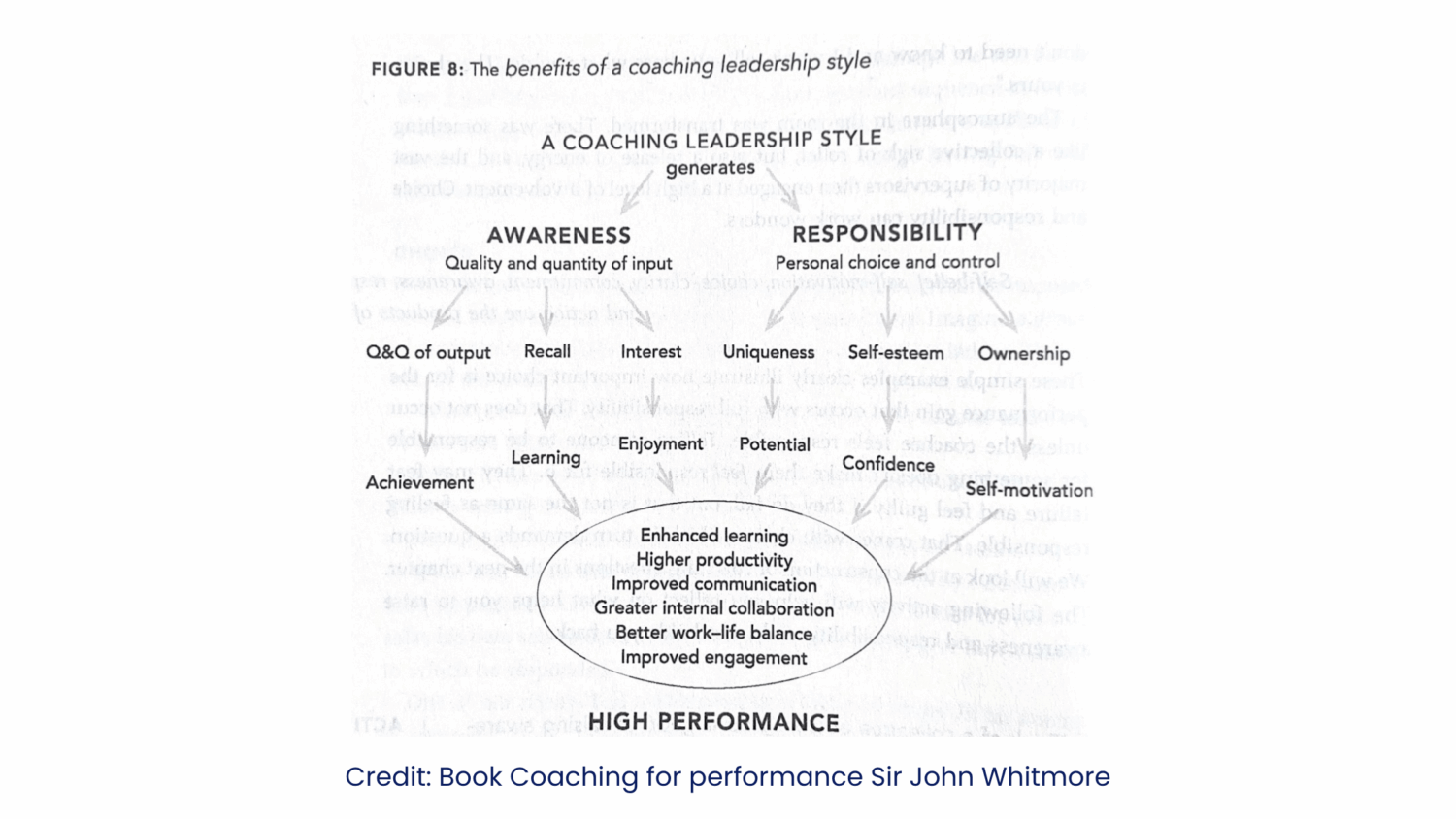
So instead of asking, “Why didn’t you do this?”
Try:
- “What got in the way?”
- “What will you do differently next time?”
Notice the shift?
From blame → to learning
From fear → to ownership
And over time, this builds something far more valuable than obedience; it builds ownership and accountability.
Benefits of Leadership Coaching
Why should a business invest in these coaching strategies for leaders? Beyond just “feeling better” at work, the transition to a coaching culture yields tangible business results:
- Increased Agility: When teams take ownership, they solve problems in real-time rather than waiting for executive approval.
- Higher Retention: Employees stay where they feel heard and developed. In the competitive Thai job market, coaching is a top-tier talent retention tool.
- Succession Readiness: By coaching, you are constantly training your replacement, ensuring the business is sustainable long-term.
- Innovation: Removing the “fear of being wrong” allows for creative solutions that a top-down approach would never discover.
Professional Leadership Coaching Programs
Now here’s the reality. Reading about coaching is one thing. Practicing it consistently, skillfully, and under pressure is another. Many leaders try to “coach” intuitively. But without structure, it often turns into the following:
- Advising disguise
- Asking surface-level questions
- Or avoiding difficult conversations
That’s why the best results come from structured, evidence-based leadership coaching training. These programs help leaders:
Programs that help leaders:
- Build real coaching skills
- Practice in real scenarios
- Receive feedback and refine their approach
Because coaching is not a mindset alone. It’s a skillset. And like any skill, it requires practice.
Conclusion
Back to that leader. “I’ve told them everything, but they still don’t take ownership.” What if the answer isn’t to say more? What if it’s to ask differently? When you stop being the person with all the answers, you create space for others to rise. And when that shift happens consistently across a leadership team rather than just one manager, organizations start to function differently, not because of a new process or system, but because the conversations have changed. So here’s a question to take with you: In your next conversation, will you lead with answers… or with questions?
Your Next Step
If you’re ready to move from managing performance… to unlocking it, explore how structured leadership coaching programs can help you and your team build ownership, trust, and real accountability. Discover more at Victus People.
